Supreme Court faces growing concerns over factual discrepancies in decisions
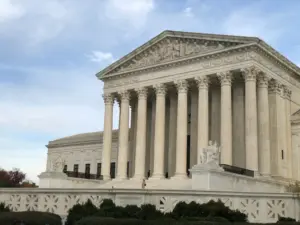
Supreme Court justices increasingly disagree about basic facts in cases before them. Legal experts warn this pattern undermines judicial credibility and signals disrespect for trial courts that spend months building detailed records.
Recent disputes included a Washington football coach’s prayer, debates over Maryland school curriculum, and South Carolina redistricting. Justice Sonia Sotomayor used photographs to challenge majority descriptions in multiple cases. Justice Elena Kagan accused colleagues of unfamiliarity with evidence in a gerrymandering dispute.
Trial judges create factual findings after hearing witnesses and weighing credibility. Appellate courts traditionally defer to these determinations unless clearly wrong. The Supreme Court resolves legal questions, not factual disputes.
Lawyers worry about investing resources in evidence when justices may ignore established facts. Civil rights attorneys say trials serve an educational purpose that loses value when judges disregard testimony.