Ghana’s growth struggles with inclusion issues
Three developments in Ghana this week highlight a persistent gap between national progress and everyday realities for its citizens. In the digital sector, French media giant Canal+ plans to launch high-speed fiber internet in Accra and Kumasi through its subsidiary Vivendi Africa, promising unlimited service at lower prices. The move could disrupt the broadband market dominated by MTN, Vodafone, and Teledata, but observers stress that the true impact depends on extending access beyond urban centers to ensure affordability and inclusion.
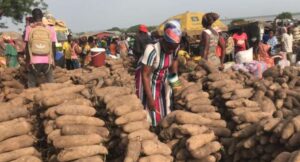
Meanwhile, in Dormabin, Oti Region, farmers face mounting losses as heaps of unsold yams rot by the roadside. Despite strong harvests, poor road infrastructure prevents them from reaching markets, especially during rainy seasons. Local leaders say better roads, storage facilities, and aggregation centers could turn this agricultural potential into rural economic growth.
At the same time, Ghana’s mining sector has generated over $40 billion in the past decade, with $29 billion reinvested locally and more than $220 million spent on corporate social responsibility projects. Yet communities in mining towns like Tarkwa, Obuasi, and Kenyasi still lack basic services, raising questions about governance and equitable distribution of wealth.
Together, these stories underscore a recurring theme: Ghana’s challenge is not a lack of opportunity, but the uneven delivery of its benefits. With the cedi stabilizing and fuel prices set to drop, the country’s economic outlook is improving. But without deliberate efforts to link growth to social equity, progress risks remaining a headline rather than a lived reality for most Ghanaians.