Why room tone is essential for smooth post-production sound
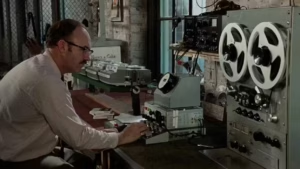
Production sound mixers record ambient noise from filming locations to maintain audio consistency throughout edited scenes. Each space produces distinct background sounds from air conditioning units, traffic, and building equipment, which microphones capture differently depending on position and surroundings.
Editors splice dialogue together and fill gaps where crew members coughed or props moved unexpectedly. Dead air occurs when soundtracks transition between takes or integrate studio-recorded dialogue replacements. Sound teams layer location atmosphere beneath clean studio vocals to match on-set recordings.
Recording sessions require 30 to 60 seconds of silence from cast and crew after positioning microphones for dialogue capture. Spaces with variable noise, such as passing trains, require longer recordings. Film crews often skip this step when wrapping shoots despite the time savings ambient tracks provide editors.
Director Michael Gabriele told Screen Magazine that requesting silence remains challenging on active sets. Removing equipment or people after principal photography alters room acoustics and produces unusable results.