Africa’s food imports harm small farmers and growth
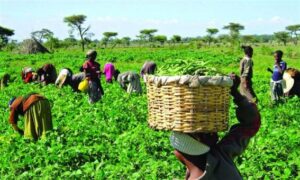
African governments harm their own farmers by importing cheap grain to prevent urban food riots, an agricultural economist said. Rachid Doukkali from Mohammed VI Polytechnic University said that subsidized foreign cereals undermine the profits of smallholder producers who grow staple crops across the continent.
Cereal consumption grew 2.9 percent annually between 2003 and 2023 while production increased only 2.7 percent, creating supply gaps that countries fill through imports. Nigeria and Morocco face particular pressure to maintain low domestic prices because poor households spend most income on basic foods.
Smallholder farms lose competitiveness and productivity when cheap imports flood markets, Doukkali warned. Climate change threatens both rain-fed agriculture and irrigation systems across Africa, where 1.4 million Moroccan farmers lose 30 percent of their harvests because of poor storage facilities.
The African Continental Free Trade Area could reduce dependence on foreign suppliers, though intra-African food trade accounts for less than 20 percent of total agricultural trade. Doukkali said countries must guarantee a minimum level of domestic cereal production to withstand future global supply disruptions.