China’s Belt and Road hits crisis as debts soar
Beijing’s massive Belt and Road Initiative faces mounting challenges as internal economic pressures and global shifts undermine the program that has funneled trillions of dollars into infrastructure projects worldwide. Slowing domestic growth has reduced lending capacity for BRI ventures while participating nations struggle with elevated interest rates and declining commodity values that drive up borrowing costs. Multiple governments now confront difficult budget cuts or seek assistance from the International Monetary Fund.
Projects across numerous countries have stalled or stopped entirely amid local opposition, corruption allegations, and environmental damage. The halted Myitsone dam in Myanmar exemplifies these setbacks alongside resistance in Malaysia and Panama. Accusations of murky governance and ignoring community voices have damaged China’s reputation as a development partner. When agreements proceed, many require sovereign guarantees or future resource shipments as collateral, creating dangerous dependencies for weaker economies.
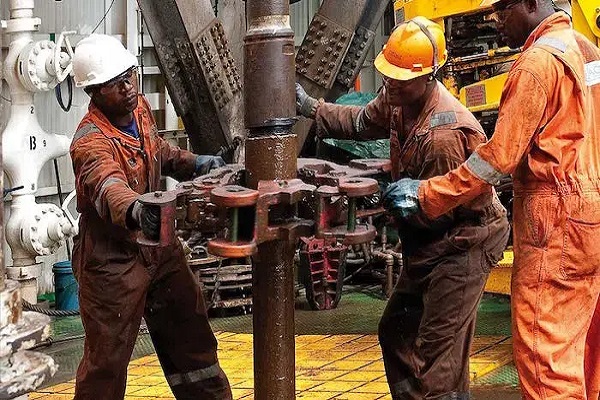
Sri Lanka’s surrender of Hambantota port under a 99-year lease following debt default demonstrates the political fallout from Chinese financing arrangements. Analysts expect fewer massive investment commitments during late 2025 as Beijing redirects resources toward domestic priorities. Despite pledges toward renewable power and environmental sectors, significant portions of recent contracts still fund fossil fuel infrastructure and carbon-intensive industries.