IMF flags risks as Zimbabwe boasts currency gains
Zimbabwe’s economy has gained stability through tighter monetary controls, according to a recent International Monetary Fund report. The southern African nation expects growth to recover this year after slowing in 2024, helped by favorable weather and high gold prices. Annual inflation reached about 30 percent by December 2025, meeting government targets, while forecasts point toward rates below 20 percent in 2026.
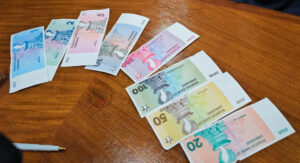
The ZiG currency experienced a 40 percent drop in September 2024 but has since stabilized. Parallel market premiums narrowed from 100 percent at launch to approximately 30 percent. Money supply expansion slowed to 30 percent from September 2024 onward, compared with 215 percent during the initial months after the currency’s April 2024 introduction. Foreign reserves climbed from $285 million at launch to $900 million and may exceed $1 billion by year’s end.
Budget deficits stayed within 1.2 percent of gross domestic product through improved revenue collection and controlled spending. However, delayed payments created $600 million in local arrears that pose risks to currency stability. Vice President of the Zimbabwe Economics Society Misheck Ugaro suggests authorities focus on better foreign currency distribution rather than overvaluation concerns, as the nation works toward establishing a sustainable local currency alternative to the dollar within five years.