Disabled activists revive Lake Chivero hope
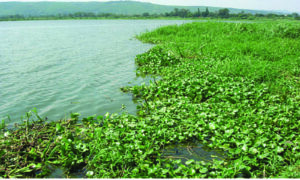
Two visually impaired activists cleared 300 meters of shoreline at Lake Chivero in Zimbabwe as environmental degradation threatens tourism revenue at the recreational destination located 32 kilometers from Harare. Clayton Chinomona and Khumbulani Mabuso led volunteer restoration efforts after water hyacinth infestation from untreated sewage destroyed aquatic ecosystems and eliminated visitor traffic at the formerly popular site.
Tourism destinations worldwide face revenue losses when ecological damage undermines brand authenticity. Thailand closed Maya Bay indefinitely in 2018 after overcrowding by tourists destroyed the coral formations. Botswana generates higher per-visitor income through conservation-focused policies that protect the Okavango Delta, compared to mass tourism models elsewhere in Africa.
Lake Chivero suffered comprehensive damage as blocked sunlight eliminated fish populations and deteriorating water quality forced tour operators to remove the location from itineraries. Hotels recorded declining occupancy, while local businesses, dependent on visitor spending, collapsed. The activists inspired youth groups and disability organizations to participate in cleanup activities.
Costa Rica and New Zealand demonstrate that environmental protection combined with accessible infrastructure attracts premium-paying travelers seeking authentic experiences. Destinations that treat conservation as brand infrastructure, rather than an optional expense, position themselves for sustained competitiveness in values-driven markets.