Tanzania’s post-election unrest deepens
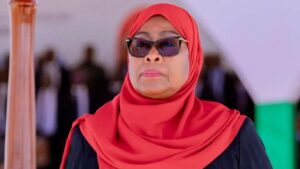
Tanzania confronts its gravest election crisis in decades after President Samia Hassan secured 98 percent of the votes amid accusations of systematic opposition suppression and post-election violence that drew condemnation from the African Union and Southern African Development Community. The two leading opposition candidates were prevented from participating, with Tundu Lissu facing treason charges and Luhaga Mpina disqualified on administrative grounds, while hundreds potentially perished during demonstrations following the disputed poll, according to opposition estimates.
Hassan initially garnered praise after assuming office in 2021 for permitting opposition activities and pursuing reconciliation, but analysts suggest her approach shifted as reelection ambitions intensified. Critics point to cabinet reorganizations eliminating predecessor loyalists and escalating repression, including abductions and killings of opposition members preceding the election conducted under internet blackouts and curfews.
Regional observers concluded the electoral process failed democratic standards through ballot manipulation and widespread irregularities. Hassan blamed foreign interference for unrest during her inauguration while defending the election’s legitimacy, though international scrutiny threatens her authority entering a second term.