Uganda urged to fix social protection gaps
Uganda’s National Social Protection Policy defines social protection as public and private measures that reduce risks and vulnerabilities, helping people avoid poverty and live with dignity. The COVID-19 pandemic exposed significant gaps in the system, leaving many citizens vulnerable to economic shocks and underscoring the need for more targeted support for the poorest and most vulnerable.
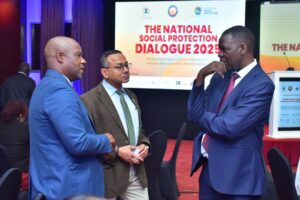
Discussions at the National Social Protection Dialogue 2025 in Kampala highlighted persistent urban-rural disparities, with rural communities often having better access to services. People with disabilities remain marginalized despite legal safeguards, while refugees and internally displaced persons place additional pressure on limited resources.
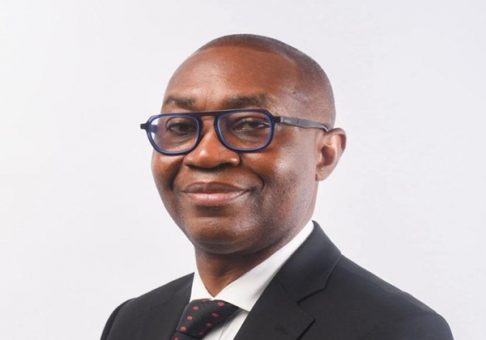
Dr. Fred Muhumuza of Makerere University Business School stressed that all Ugandans need lifelong access to basic social protections, including food, housing, education, and healthcare. He urged the stronger integration of government initiatives, such as the Parish Development Model, Emyooga, the Grow Project, and Youth Livelihood programs, into a cohesive social protection framework.
Uganda Vision 2040 identifies social protection as essential for national resilience. It calls for universal pensions for older adults, public works programs for vulnerable unemployed groups, assistance for children and persons with disabilities, and universal health insurance as a cornerstone of an inclusive and shock-responsive system.