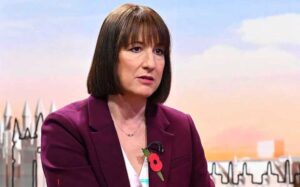
Reeves mulls income tax rise to close £30B gap
Britain’s Chancellor Rachel Reeves may abandon a campaign promise by increasing income tax to address a 30 billion pound budget deficit, according to government officials. Treasury discussions examined various options after the Office for Budget Responsibility reduced productivity estimates, which cost approximately 20 billion pounds annually. The government must fund welfare programs and reverse cuts to winter fuel payments.
Treasury analysts evaluated multiple scenarios for income tax adjustments. A one-penny increase in the basic rate from 20 pence to 21 pence would generate 8.2 billion pounds each year. Higher rate increases for earnings above 50,271 pounds would produce 2.1 billion pounds. Additional rate changes for incomes exceeding 125,000 pounds would yield 230 million pounds per percentage point.
Reeves faces pressure to balance fiscal responsibility with voter expectations after breaking a previous National Insurance promise. The Resolution Foundation proposed raising income tax by two pence while reducing National Insurance contributions by the same amount. The Budget Board evaluates options ahead of the financial statement on Wednesday, Nov. 26.
Prime Minister Keir Starmer and Reeves maintain that their manifesto commitments remain valid but have not rejected tax increases. Officials frame potential revenue measures as necessary steps to maintain economic stability. Markets and voters await the government’s approach to restoring public finances without repeating austerity policies.